The Leadership Journey Podcast: Nick Park

Nick Park is the Executive Director of the Evangelical Alliance (Ireland). He is also the founding pastor of of Solid Rock church in Drogheda, and oversees a network of almost 40 churches in the Republic of Ireland under the auspices of the Church of God.

In our conversation Nick talked about his dramatic early years, coming to faith in Christ as a young man through the work of the Salvation Army, after several years of homelessness. He talks about his path into ministry and how he and his wife came to start Solid Rock Church in Drogheda (there is a fascinating reference to St Patrick). Along the way we chat about the state of the Evangelical Church in Ireland and discuss ways in which it might contribute to church planting in the North.

As ever, we finish with Nick talking about what he would like to say to his 20-year-old self.

Visit the EAI’s website where you can catch Nick’s Friday podcast.

Here is the link to my conversation with Nick.

The Leadership Journey Podcast: Practicing Change, with Tod Bolsinger

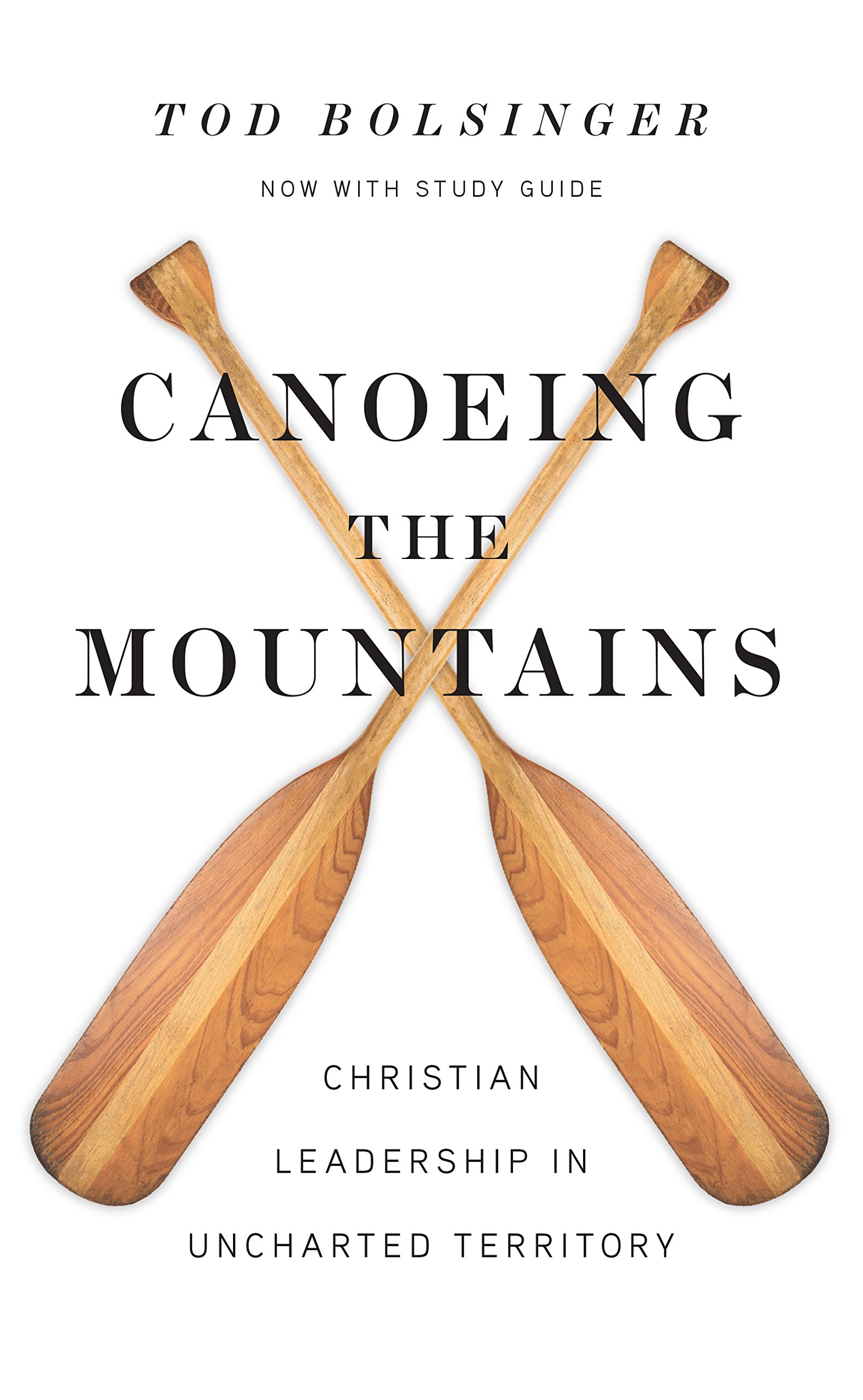
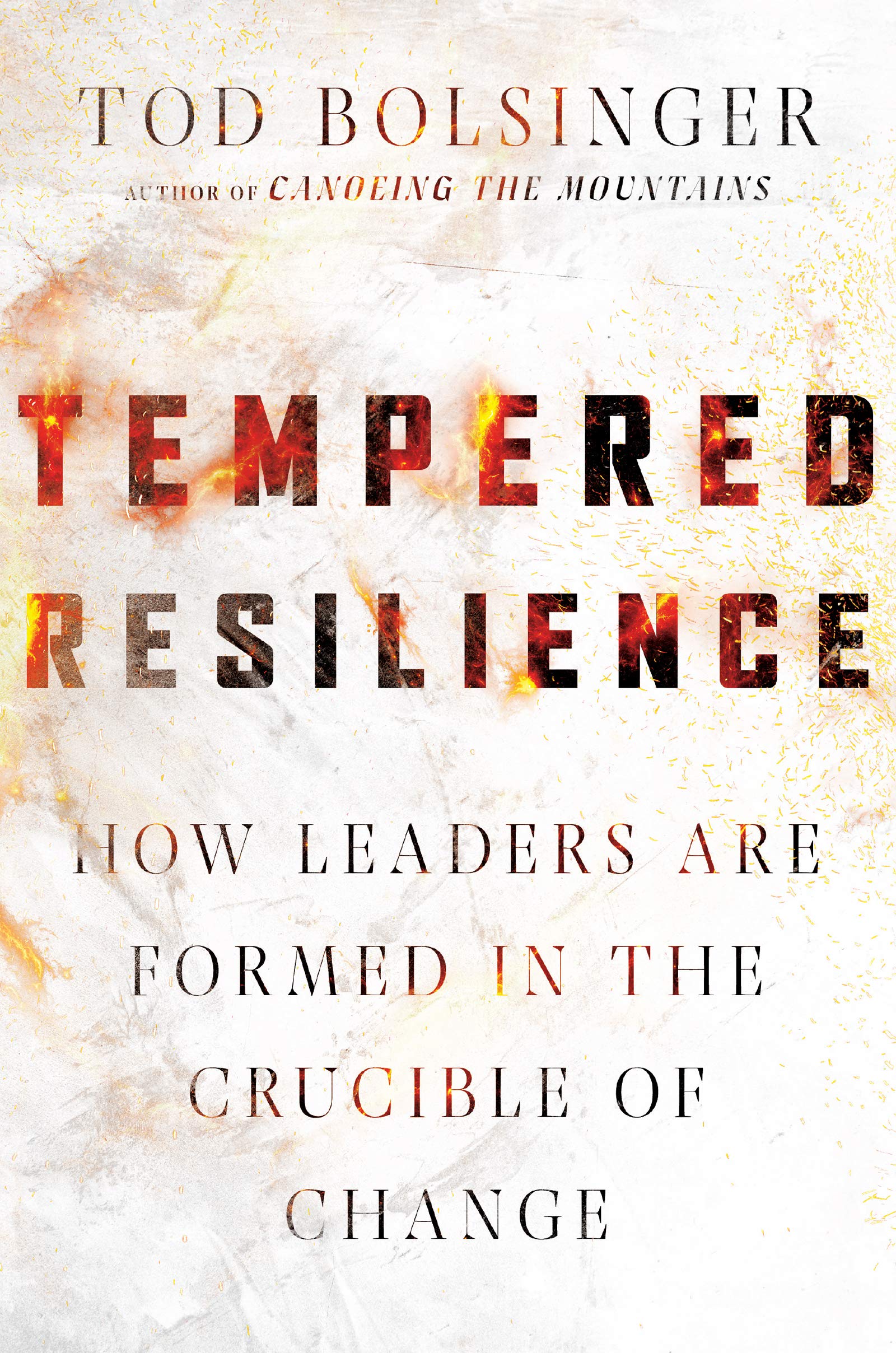
Tod Bolsinger is the author of popular leadership books, Canoeing the Mountains, and Tempered Resilience: we chatted on a couple of episodes of this podcast back in 2021.

More recently he has been working on a series of short books on change.

  • How not to waste a crisis
  • The mission always wins
  • Leading through resistance
  • Invest in transformation

Basically, the books work off the ideas that Tod has established in his earlier writing, in particular Canoeing the Mountains.

Each of the books tackles a mistake that good leaders often make, whether it is responding to a crisis by working harder, or aiming to lead always on the basis of ‘win-win’ – the mistakes form the (sometimes provocative) subtitles of the books. These mistakes are what he calls old mindsets and they need to be replaced by a series of new skillsets which lead to an adaptive reset.

In our conversation we begin to unpack some of the key ideas in the books – mission, loss, disagreement and values. Hopefully you will hear enough to make you want to purchase the books and get to work on them with your leadership team!

The collection will be available around the middle of August, but they are already available for pre-order. If you are in the US, visit the IVP website, and in the UK, try Eden Books.

The Leadership Journey Podcast: John Kyle

My guest on this episode of the podcast has been described as ‘the nicest man in politics’. While John Kyle is no longer involved in electoral politics, he has some fascinating things to say about his career (which culminated in him serving as High Sheriff of Belfast) and on the role that Christians can play in civic life – and it was pertinent that we were having this conversation what may turn out to be a(nother) pivotal week in Northern Ireland politics.

As well as his political career John has worked as a GP and has been very involved in church and pastoral work.

Our conversation covers his formative years, including his experience in the fledgling Charismatic movement in Belfast and runs through his time as a GP and on to his time as a member of the Progressive Unionist Party in Belfast. He has a lot to say about the idea of vocation outside of the conventional understanding of church or mission work and he brings encouragement for Christians involved in politics and other areas of civic life: the key is servanthood.

He’s also given some thought to the five things he would say to his twenty-year old self.

The Leadership Journey Podcast: Justin Irving on Organisational Leadership

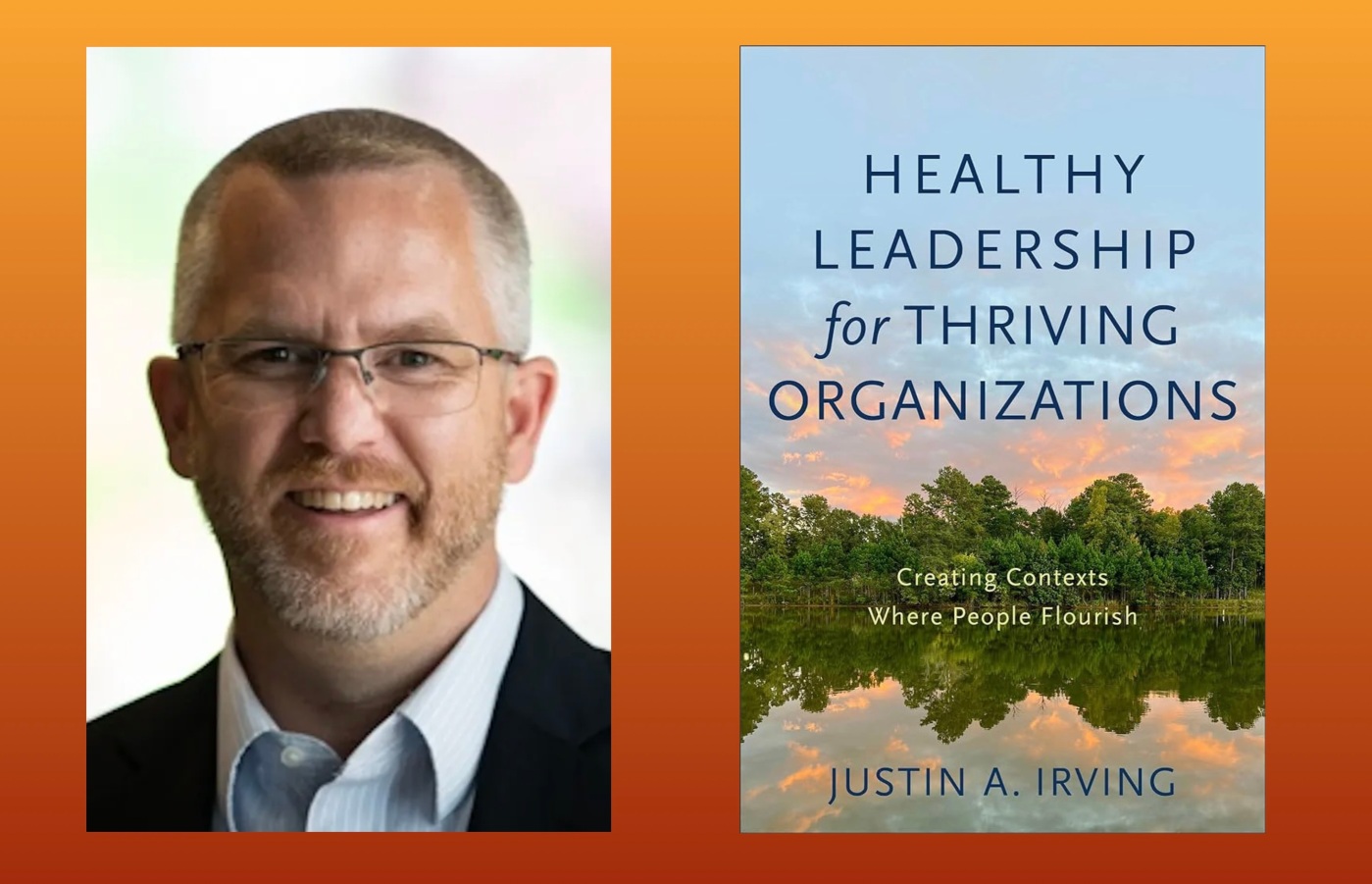
The guest on this episode of the podcast is Justin Irving. Justin is Professor of Leadership at Southern Seminary in Louisville, Kentucky and his new book, Healthy Leadership for Thriving Organizations: Creating Contexts Where People Flourish, is set for publication this month. Previously, along with Mark Strauss, he wrote Leadership in Christian Perspective: Mark Strauss joined me on the podcast four years ago to talk about the book.

Justin’s new book focusses on the work of organisational leaders, what he describes as ‘the thirty-thousand-foot-level of leadership’. Such leaders are still required to pay attention to how they lead individuals, but they also lead at a level that requires them to pay attention to the big picture. Behind the book are insights from a survey that was carried out among over two hundred leaders.

In our conversation we spend some time talking about the book and some of the ideas it covers, but Justin also talks about his own story: how he has been shaped, and what he has learned along the way.

The book’s official launch date is Tuesday 19th December in the US and as a Kindle e-book in the UK: you will have to wait another two months to get your hands on a paper copy here.

That’s all for the podcast for 2023. If you have been following along – or even just dipping in from time to time, thanks for listening, and may you have a wonderful Christmas!

The Leadership Journey Podcast: Phil Knox

On this episode of the podcast I am talking with Phil Knox. Phil works with the Evangelical Alliance as an evangelism and missiology specialist.

Phil has recently published his second book, The Best of Friends: Choose wisely, Care well, and we spend some time talking about ideas from the book.

To get a copy of the book, you can try your local Christian bookshop, or follow the link to the IVP page where you can purchase a copy – either an ‘actual’ book or an ebook.

The podcast will be back in May and I will be talking with John Risbridger. John and his wife, Alison, are the leaders of the Catalyst Leadership and Theology Training programme.

The Leadership Journey Podcast: ‘Monty’ Montgomery

My guest on this episode of the podcast is David (more commonly known as ‘Monty’) Montgomery. Monty is the Regional Secretary for IFES Europe (International Fellowship of Evangelical Students), a role that involves oversight of student work in over forty countries.

In our conversation we discuss Monty’s early days (his father was a mission worker) and several key moments in the development of his faith. We talked about his sense of call to ministry and his time in the rarefied spiritual atmosphere of Regent College in Vancouver. This was followed by a season of ministry in several Presbyterian churches on either side of the Irish border before a move to student work with what became known as CUI (Christian Unions Ireland).

Monty shares about some of the challenges of and encouragements of ministry, including a helpful and challenging outline of how the nature of internal challenges change over the course of a ministry journey.

As ever, we conclude the conversation by hearing what he would say to his twenty-year old self.


The next guest on the podcast will be Phil Knox. Phil works with the Evangelical Alliance and is the author of an excellent new book on friendship: The Best of Friends: Choose wisely, Care well.

The Leadership Journey Podcast: Sir George Hamilton

In the final episode of 2022 I’m speaking to Sir George Hamilton, former Chief Constable of the Police Service of Northern Ireland (PSNI). George served in this role for five years, retiring in 2019 – this after a police career spanning thirty-four years.

Among the things we talk about are ambition and following God’s will. At times we can limit our understanding of calling to the world of pastors and missionaries: but what does it mean to someone progressing in a career outside of the church? The conversation also talks about the formation of values: how might a Christian’s personal values impact a secular organisation? And what really matters, even when someone reaches the pinnacle of their profession.

I hope you enjoy listening to this episode of the podcast: if you do, why not leave a review on Apple or Spotify?

Thanks for visiting the page, and may you have a wonderful Christmas.

The Leadership Journey Podcast: Gavin Calver

The guest on this episode of the podcast is Gavin Calver. Gavin is CEO of the Evangelical Alliance, a network of over 3000 churches and organisations across the UK. Previously he was the National Director of Youth for Christ and he has served as chair of Spring Harvest. He has authored several books, including ‘Unleashed: The Acts Church Today‘, written with his wife, Anne.

The podcast will be back next month when I will be talking to Andy Hickford.

The Leadership JOurney Podcast: Patrick Regan

Patrick Regan is CEO of the charity, Kintsugi Hope, a charity that exists ‘to make a difference to people’s well-being’. Previously he founded and led a youth charity called XLP. He’s written six books – including his most recent one, ‘Bouncing Forwards‘ which looks at the subject of resilience, and he has travelled to over forty countries.

In our conversation we talk about some of what led Patrick into leadership, what it was like to hand over the leadership of XLP, the charity that he had started, and about the nature of Kintsugi Hope. Along the way we talk about resilience, about the stigma that often seems to be attached to issues of mental health, and – of course – about what Patrick would say to his 20-year-old self.

Here are three of Patrick’s top tips for resilience:

  • Go gently
  • Be kind
  • Stay connected
Kintsugi

You can visit the Kintsugi Hope website to find out more about what’s involved, and if you are interested in starting a group: you can also pick up copies of Patrick’s books (as well as your own Kintsugi kit).

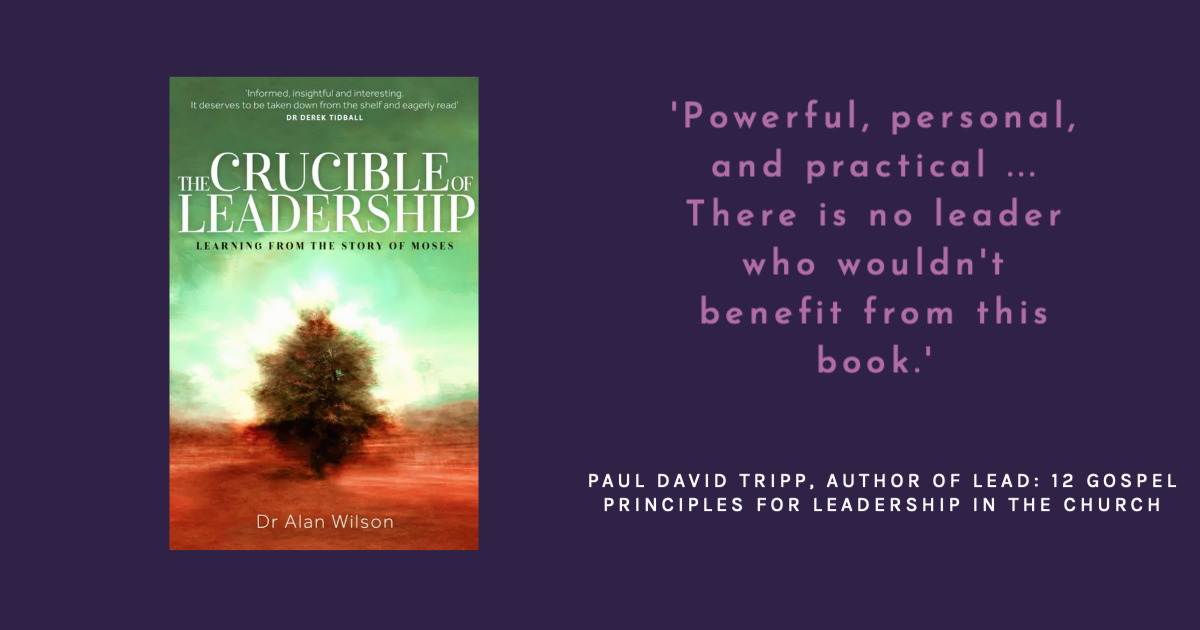
On the next episode of the podcast, I will be talking about my new book – ‘The Crucible of Leadership: Learning from the story of Moses‘ which officially launches this month.

The Leadership Journey Podcast: Hwa Yung on ‘Leadership or Servanthood?’

This week my guest is Hwa Yung who joins me via Zoom from Malaysia. Hwa Yung has served as a minister and a bishop in the Methodist Church, and was principal of Malaysia Theological Seminary; since his retirement he has remained active, giving himself to working with the Malaysian Church, to writing, and to working with leaders in the Majority World.

As well as talking about his own – sometimes very moving – story, we talk about his book, ‘Leadership or Servanthood’ (which I summarised in a previous post). The book is a challenge to the Church’s tendency to follow the cultural understanding of leadership – something that easily leads to a neglect of foundational biblical themes like discipleship and servanthood.

The book is published by, and available from Langham on their website.

Leadership is the result of practicing genuine servanthood wherever we are and whatever position we are called to by Christ. By living and ministering as servants, our loving and humble service will impact those around us as great leadership.’

Hwa Yung, in ‘Leadership or Servanthood?’

Leadership or Servanthood?

I’ve been reading this recent book from Langham and next week I hope to have the author, Malaysian church leader, Hwa Yung, as my guest on the podcast.

As the title suggests, the book sets out to question the Church’s fascination with leadership. It’s not that Hwa Yung denies the importance of leadership per se, his concern is the way the Church speaks of it ‘in terms that are not very different from the way the world around us does.’ In contrast, he argues, ‘it appears that the key emphasis in the Bible’s teaching is that we are called first and foremost to be servants and not leaders.’

The book consists of nine chapters and follows a clear path. The starting point is the focus on servanthood (‘the fundamental nature of the ministry and leadership to which [leaders] are called is defined by servanthood, and not by position, status, and power.’) From there we move to a discussion of authority: after all, if we are servants, what authority do we have? The answer is found in a spiritual authority that is founded on submission to the Father, as seen in the example of Jesus.

Just as the path of true spiritual greatness lies through humility and servanthood, so the path of genuine spiritual authority lies in submission to the Father.

Hwa Yung, Leadership or Servanthood, p50.

Next is the question of where we are to find confidence and again the answer is seen in the example of Jesus who was sure of his identity as the Son of God: he lived ‘in the security of his Father’s love and protection’. We are called then to face our own insecurities and live in the security of the Father’s love.

From this we are led to consider the importance of character and spirituality for those called to leadership – and this is illustrated from what we can learn from Paul in his farewell message to the elders at Ephesus as he reflected on how he had served with humility, compassion, faithfulness, sacrifice, and a lack of self-seeking ambition.

Chapter 8 uses the examples of Jacob, Moses, Peter, and Paul, to illustrate God’s transforming work in the lives of those whom he calls. The book concludes by revisiting the relationship between servanthood and leadership (note: ‘Servant Leadership’ won’t really cut it!). It’s well-summarised in these words:

Leadership in the cause of Christ does not come from our striving to be leaders but is the by-product of a life of humble service to him and others.

Leadership or Servanthood, p129.

There is some rich and challenging material in this. The question is a vital corrective to the lure of power and status.

Paul Tripp on ‘The Crucible of Leadership’

“I am drawn to leadership books that reinforce the truth that successful leadership is about more than how many people follow you or what you have accomplished, but rather, about who you are becoming. Christian leaders need to always remember that they are being called and crafted by God, are in an ongoing process of spiritual growth, and are dependent on the gifts of others. Leadership doesn’t belong to us but to the One who has called us and loves us. Employing the story of Moses, The Crucible of Leadership is a powerful, personal, and practical reminder of all of these things. There is no leader who wouldn’t benefit from this book.”

Paul David Tripp, Author, Lead: 12 Gospel Principles for Leadership in the Church and New Morning Mercies: A Daily Gospel Devotional

‘The Crucible of Leadership’ is scheduled to be released in June.

The Leadership Journey Podcast: Debbie Hawker on Resilience

This week’s guest on the podcast is Dr Debbie Hawker. Debbie is a clinical psychologist who works along with her husband, Dr David Hawker, to support mission partners and humanitarian workers. Their work includes providing assessments and reviews as well as retreats and training. The organisations she has worked with include Tearfund, Latin Links, Interserve and YWAM. Debbie has provided training or consultations in a significant number of countries, from Argentina and Australia to The US and the UK.

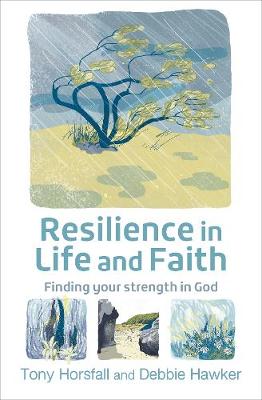
In addition to her contributions to specialist publications, she has written a couple of recent books that are aimed at a wider audience – including ‘Resilience in Life and Faith’, which she has co-authored with Tony Horsfall, a recent guest on the podcast.

In the podcast we talk about the book and Debbie shares about a model for thinking about resilience that she sums up with the acrostic SPECS.

  • Spiritual aspects of resilience;
  • Physical aspects of resilience;
  • Emotional aspects of resilience;
  • Cognitive and Creative aspects of resilience;
  • Social and systemic aspects of resilience.

If you’d like to get a copy of the book Debbie and her family have written on creation care, it is ‘Changing the Climate: Applying the Bible in a Climate Emergency’.

For more information on Kintsugi Hope, which we mentioned in the conversation, you can list their website.

The Leadership Journey Podcast: Ajith Fernando

My first guest of the year is Ajith Fernando. Ajith was National Director of Youth for Christ in Sri Lanka for 35 years and since his retirement from the post has continued as a mentor to the organisation and young leaders.

In our conversation we talk about his leadership journey, including the early influence of an Irish Methodist missionary in Sri Lanka, and Ajith talks about one of his earliest challenges as a young leader and how it helped to shape his ministry approach. He shares some thoughts on the state of the global Church and reflects on some of the things that have helped him to stay fresh over several decades of ministry.

We also talk about Ajith’s writing. Among the significant number of books he has written are his NIVAC commentary on Acts and his reflections on ‘Jesus-driven ministry’.

The next episode of the podcast will feature a conversation with psychologist and author, Debbie Hawker when we will be discussing resilience in Christian ministry.

Here is the conversation with Ajith:

The Leadership JOurney Podcast: Tony Horsfall

Tony Horsfall describes himself as a writer, a retreat leader, a mentor, and a friend. He is based in Yorkshire. Tony has had several decades of experience in Christian Ministry – as a church-planting missionary in Malaysia, a pastor in England, a missions trainer, and a retreat leader. He has been involved in membercare, and serves under the auspices of Charis Training: their website will give you links to books and articles he has written – some of which we talk about in the podcast, including Spiritual Growth in a Time of Change, and Rhythms of Grace.

The Leadership Journey Podcast: Simon Stuart (A rocha)

Simon Stuart is the Executive Director of A Rocha International, a family of Christian organisations involved in conservation projects around the world. Simon has worked in conservation for many years and in 2020 was awarded the prestigious Blue Planet Prize in recognition of his work.

Simon has also been a personal friend of mine for over 30 years. He worked alongside me as an elder in Westlake Church in Nyon, Switzerland, before he and his family moved to the United States.

Simon’s work with A Rocha brings together his love for God and his concern for the wellbeing of what God has made.

In our conversation we talk about Simon’s journey in the world of conservation and how he integrates faith and science. We touch on the issue of climate change – to know more Simon recommends you visit the website of Christian climate scientist, Katherine Hayhoe, and Simon shares some of what he would say to his 20 year old self.

We’re planning one more podcast episode before Christmas, when the guest will be Tony Horsfall. Tony is a teacher and trainer; he has worked overseas and has authored several books, including ‘Resilience in Life and Faith’, and ‘Working from a Place of Rest.’

The Leadership Journey Podcast: Ruth Garvey-Williams

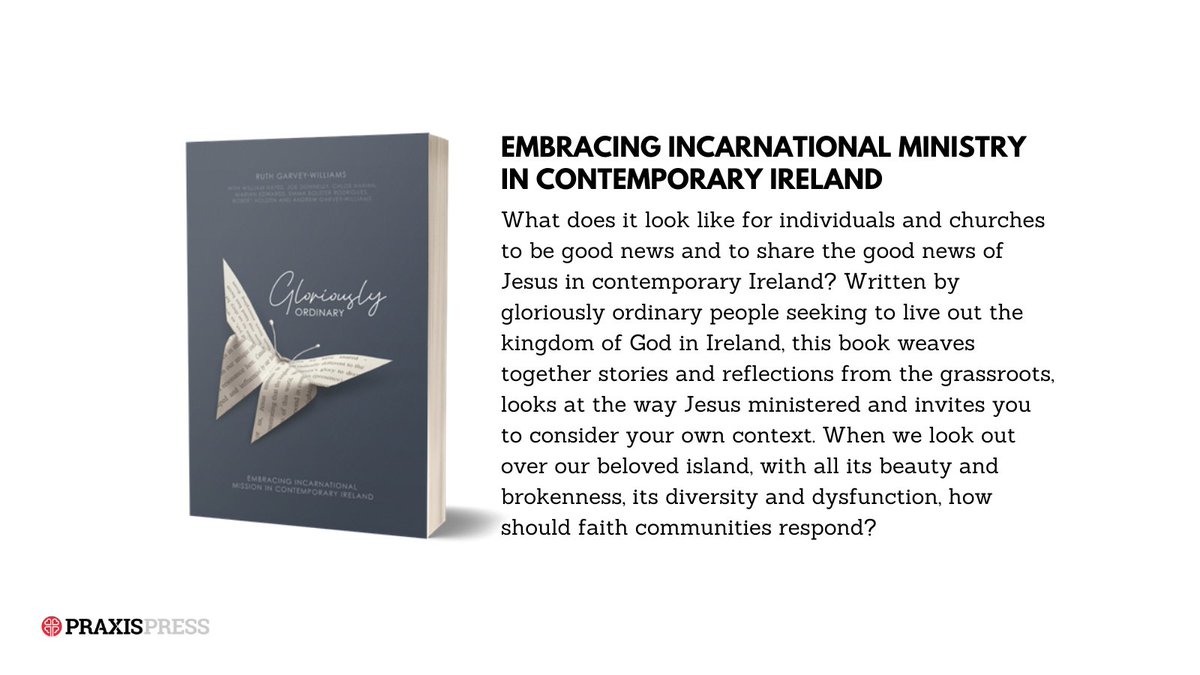
Ruth and her husband, Andrew, have been living in Buncrana, Donegal for the past 17 years where they have been involved in a range of ways with their local community and have recently facilitated the start of a new fellowship. Ruth is also the founder and editor of Vox magazine and has recently published, ‘Gloriously Ordinary’ which she has written with Andrew and several other people involved in mission.

‘Gloriously Ordinary’ sets out several principles that Ruth believes are key to incarnation mission in Ireland: you can order a copy of the book from Teach Solas, an Irish Christian bookshop in County Cork (Teach Solas is Irish for Lighthouse).

In our conversation we talk about Buncrana’s ‘Amazing Grace Festival’ (are you aware of the connection between Donegal and John Newton?), about team ministry, incarnational mission, and signs of hope for the Church in Ireland.

The Leadership Journey Podcast: ‘Canoeing the Mountains’ with Tod Bolsinger

This week Tod Bolsinger returns to talk about his book ‘Canoeing the Mountains’ (he previously talked to us about his more recent book, Tempered Resilience). The title is a metaphor for the situation church leaders find themselves in when what lies ahead of them and their leadership looks very different from what they have been trained for and grown accustomed to: leaders need to be aware of the changes that have happened in the Western World and of the need for ‘technical competence, ‘adaptive change’, and ‘relational congruence.’

We also get the opportunity to hear a bit about the man behind the books, including what Tod would like to say to his 20-year-old self.

Feel free to add your own caption!

The guest on the next episode of the podcast will be Ruth Garvey-Williams, editor of VOX Magazine.

The Leadership Journey Podcast: Tod Bolsinger on ‘Tempered Resilience’

In this (shorter) episode of the podcast the guest is Tod Bolsinger from Fuller Seminary in California. Tod is the author of several books, including his most recent book, Tempered Resilience: How Leaders Are Formed in the Crucible of Change.

It’s a follow on from Tod’s previous book, Canoeing the Mountains in which he discusses what it means for Christian leaders to lead in the uncharted waters of a rapidly-changing culture.

In Tempered Resilience, he walks us through a blacksmith’s forge and compares the steps in preparing a metal tool with the spiritual formation of a leader who is being prepared to ‘hew out of the mountain of despair a stone of hope’ (quoted from Martin Luther King).

The smithing process involves working (‘leaders are formed in leading’), heating (‘strength is formed in self-reflection’), holding (‘vulnerable leadership requires relational security’), hammering (‘stress makes a leader’), hewing (‘resilience takes practice’), and tempering (‘resilience comes through a rhythm of leading and not leading’).

Next week Tod will return to the podcast to talk about his previous book, Canoeing the Mountains: Christian Leadership in Uncharted Territory.

The Leadership Journey Podcast: Justyn Terry on The Five Phases of Leadership

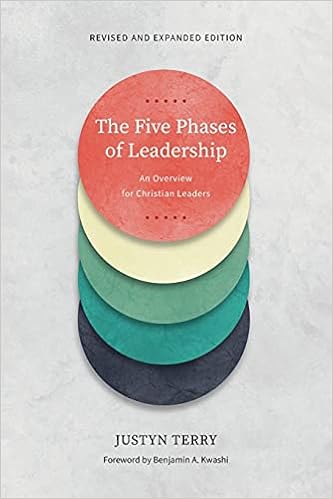
This week’s podcast episode features another author interview. My guest is Dr. Justin Terry and the book is The Five Phases of Leadership, recently published by Langham (you can order a copy from their website). You can read a quick overview of the book on the blog and the podcast conversation will allow you to get a bit more detail.

The basic premise, as the title suggests, that there are five phases to a leadership assignment. You could almost call them stages, but thinking of them as phases allows for some overlap between them.

  • Establish trust
  • Cultivate leaders
  • Discern vision
  • Implement plans
  • Transition out

Justyn Terry is Vice-Principal at Wycliffe Hall in Oxford. Previously he served as Dean/President of Trinity School of Ministry in Pittsburgh and as Minister of St Helen’s Church in North Kensington.

The guest on the next episode of the podcast will be Chris Green, and he will be talking about his book The Gift: How your Leadership can Serve your Church. The book will be launched next week and you can read my review on the blog.

The Five Phases of Leadership

Another of my summer reads has been Justyn Terry’s book (published by Langham earlier this year) on the five phases of leadership. The author is Vice-Principal of Wycliffe Hall in Oxford and has previously served as a parish minister and the head of a theological seminary in the US.

The basic premise of the book is simple but very helpful: a leadership assignment can be considered as consisting of five phases: establishing trust, cultivating leaders, discerning vision, implementing plans, and transitioning out. While there is likely to be a logical and chronological flow between each of the five, it’s best to think of them as phases rather than stages, as there may well be overlap between some of them.

The chapter on the foundational task of establishing trust is a chapter on the character of the leader. Obviously the subject of a leader’s character could be approached from a number of different perspectives: here, the author uses Paul’s list of the fruit of the Spirit – the fruit are by no means limited to leaders, but they are explored here with a leader-perspective.

While ‘developing trust never ends’ and therefore phase one remains relevant throughout a leadership assignment, there are other things a leader must do: cultivating other leaders is one of them. The author dips in to his own experience to illustrate the kinds of leaders that might need to be developed and also includes a helpful short section on ways we might identify potential leaders, summing them up with five ‘i’s: integrity, initiatives, influence, intuition, and intelligence.

Next, leaders need to discern vision: what does it mean to clarify the future of your church or organisation? ‘How would you describe it in five- or ten-years’ time if it fulfilled its God-given potential?’ The chapter discusses vision, purpose, and core values. I wondered in reading this chapter if what is presented is more relevant to existing organisations than to new ventures: part of the counsel is to explore the past with a view to discerning a trajectory for the future.

The fourth chapter is by far the longest and most ambitious in the book (it is twice as long as the next-longest). There are a lot of nuts and bolts to work through – all very useful and helpful to leaders who want to do a better job of implementing the plans that arise from their discernment of vision. For example there is wise advice on communication and on the use of time across a church’s year. I wonder if the chapter might have been written differently, with some of the detail (like finance management) covered in a short series of appendices.

Finally, the book discusses transition: when is it time for the leader to move on? Leaders leave too soon or, conversely, hold on too long – especially if Howard Gardner is right in his claim that ‘sooner or later, nearly all leaders outreach themselves and end up undermining their causes’!

Justyn Terry has served us well with this overview of the phases of a leadership assignment: each of the five chapters has something to say to leaders wishing to lead well, regardless of whether they find themselves in phase one or phase five.

The book is available to purchase from Langham.

**Justyn will be joining me on next week’s Leadership Journey Podcast to discuss the contents of his book.
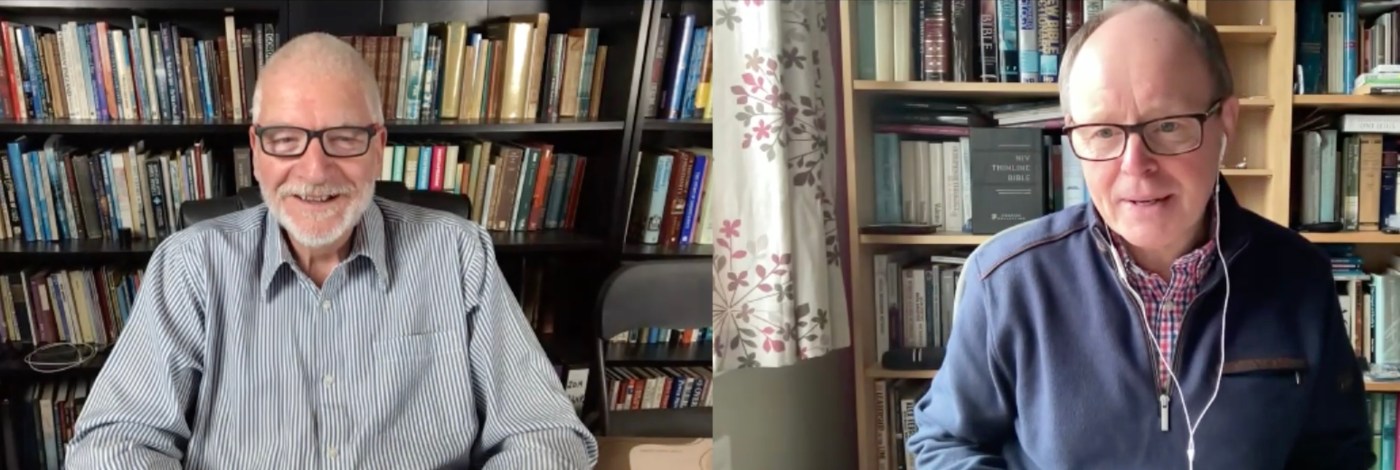
The Leadership Journey Podcast: Ray and Jani Ortlund

The guests on this episode of the podcast are Ray and Jani Ortlund and the interview was carried out in conjunction with the Keswick at Portstewart Convention where Ray has been delivering some online Bible teaching. If you’d like to watch the interview you can catch it on the Keswick at Portstewart Youtube channel.

Ray and Jani have been married for almost fifty years and for most of that time they have served in ministry together. Ray has pastored several churches, including Immanuel, Nashville, whose leadership he handed over to TJ Tims in 2019. Together they oversee the work of Renewal Ministries.

Both have authored several books: Jani most recent book is Help! I’m Married to My Pastor while Ray’s next book, to be released in September, is The Death of Porn: Men of Integrity Building a World of Nobility.

In the next episode of the podcast, Rick Hill will be making a return visit: this time he will be talking about his new book, Deep Roots of Resilient Disciples.

The Crucible of Leadership: Learning from the Story of Moses

This week I have been wrapping up some editing of a book manuscript that I have been working on for a year or so. I’ve sent it to a publisher who has expressed some interest, so we will see how that goes.

I’ve called it ‘The Crucible of Leadership’ and in it I’ve set out several things that I think Christian leaders need to come to terms with in their leadership. My reflections are framed in the context of the remarkable story of Moses.

His formative years were spent in Egypt where he had been born into a family of Hebrew slaves but remarkably ended up being raised as a member of the royal family. A failed attempt to lead a liberation movement resulted in his being pitched unceremoniously into the wilderness years – forty years spent in the Midianite desert where the peak of his career appears to have been taking care of his father-in-law’s sheep – quite a contrast with some of the traditional understandings of his time in Egypt which tell tales of military prowess! Finally, after a remarkable encounter with God on the edge of the desert, his life takes another dramatic turn and he becomes a reluctant leader, going on to spend the next forty years navigating the highs and lows of leadership in the desert.


Here are the chapter headings:

  • Introduction: (Yet) Another book on Leadership!
  • Chapter One: Wise leaders know that they don’t get there by themselves.
  • Chapter Two: Wise leaders learn to navigate the desert.
  • Chapter Three: Wise leaders get over their excuses.
  • Chapter Four: Wise leaders understand that ministry is best shared.
  • Chapter Five: Wise leaders know that God loves them.
  • Chapter Six: Wise leaders know that they cannot escape criticism.
  • Chapter Seven: Wise leaders realise that they are not the finished article.
  • Chapter Eight: Wise leaders understand when to hand on the baton.
  • Epilogue: Wise leaders don’t get in the way of Jesus.

Here is how the book’s epilogue concludes:

The final piece of biblical narrative that involves Moses comes in the story of Jesus’ transfiguration.

Peter, James and John, the inner circle of his disciples, accompanied him to pray on a mountain where Moses and Elijah appeared and engaged in conversation with Jesus about his impending death in Jerusalem. After Peter’s misguided suggestion about building a shelter each for Jesus and the two Old Testament figures, a cloud covered them and a voice spoke:

This is my Son, whom I love; with him I am well pleased. Listen to him (Matthew 17:5).

When their vision cleared, the only leader they could see was Jesus.

And that is a good place for us to conclude. Our reflections have been framed in the story of a towering leader-figure, but one who was flawed. At the start of his leadership he attempted to wriggle out of God’s call; later he sabotaged his leadership through anger and his story ended with disappointment.

The only flawless leader is Jesus, perfect in obedience, love and humility.
Listen to Him!

Wise leaders set themselves to walk in His ways, and they take care not to get in His way!