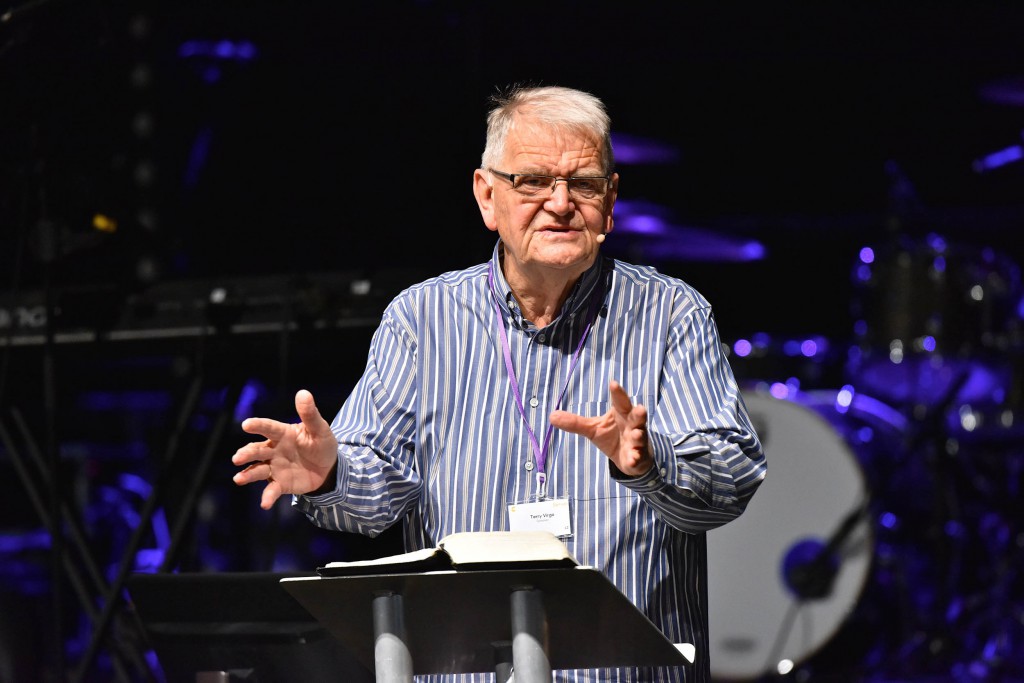
This week Terry Virgo is back on the podcast and he’s talking about his new book, ‘God’s Treasured Possession: Walk in the Footsteps of Moses’, which has just recently been published by IVP.
We start our conversation by asking ‘why Moses?’ and go on to talk about a number of the themes arising from the book.
There is a special offer for listeners in that IVP, the book’s publishers, are offering a discount when you order from their website: you can get the code at the beginning and end of the podcast.
Terry was previously on the podcast in November when we discussed his leadership journey. You can listen to that conversation here.
This week’s guest on the podcast is Dawn McAvoy from the Evangelical Alliance in Northern Ireland. As well as he work generally with EA, Dawn leads the work of Both Live Matters a movement that has tackled the emotive issue of abortion with a commitment to advocate for both of the lives implicated in a pregnancy. Part of their aim is ‘to create a life-affirming culture that values each woman and her unborn child.’
In our conversation Dawn talks about growing up in a family of faith and how her life took an unexpected turn while she was at university in a way that changed her direction and began to develop in her a sensitivity to the issue to which she has subsequently devoted so much of her energy.
Dawn’s advice to her 20 year-old self is drawn from something she picked up from the recent HTB Leadership Conference:
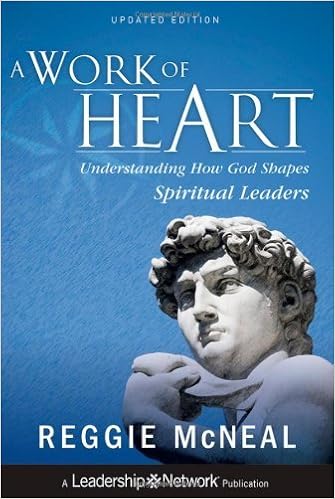
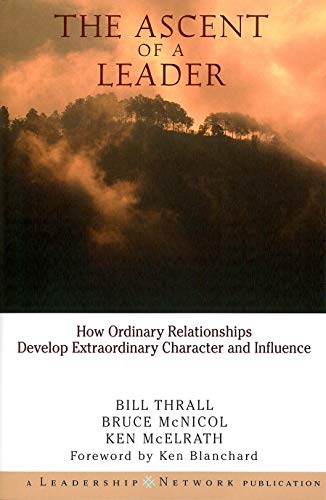
The book we feature in this episode of the podcast was actually published just over twenty years ago. I was very struck by it at the time and have recently been suggesting it as reading for some younger leaders.
As the subtitle says, the subject of the book is ‘understanding how God shapes spiritual leaders.’ The book falls into two parts. The first tells the story of four biblical leaders whose stories are recounted in quite some detail in Scripture – Moses and David from the Old Testament, Jesus and Paul from the New. The second part highlights six heart-shaping themes that are discernible in these leaders stories, but which each merit a chapter on their own.
In our conversation, Reggie and I discuss these six themes:
Culture – leaders are not born into a vacuum;
Call – ‘something you orient your entire life around’;
Community – what part do others play in the shaping of a leader?
Conflict – hard to avoid, but essential to know how to navigate;
Communion – the challenge of maintaining a walk with God;
The Commonplace – learning to look for God in the ordinary events of life.
Along the way we talk about self-awareness (‘the single most important body of information you have as a leader’) – without it, Reggie suggests, a leader does not know why they do what they do.
Meantime, if you’ve not read A Work of Heart, do yourself a favour and get a copy. If you have read it, buy a copy to give to another leader!
This week’s guest on the podcast is Derek McKelvey. Derek is a retired Presbyterian minister who served congregations in Bangor, Ballygilbert, and Fisherwick, in the university area of Belfast. In addition to his congregational ministry, Derek is well-known for his prayer ministry course that operates under the auspices of the Kairos Trust.
In our conversation we talk about Derek’s upbringing and his conviction from early childhood that he would one day be a minister. He would discover later that God was answering a prayer prayed by his mother before his birth. Derek also talks about a challenging season of exhaustion in his ministry that led to a remarkable encounter with God and opened a new vision of ministry.
Among the wisdom he shares are these valuable gems:
Seize the God-moments!
Believe all of God’s promises!
If you would like to know more about Derek’s ongoing ministry with the Kairos Trust, feel free to contact him via their website.
The podcast will be back in a couple of weeks when I hope to be chatting with author Reggie McNeal about his excellent leadership book, A Work of Heart.
(PS – the episode with Reggie McNeal will be in May.)
Gareth McLean is Minister of Orangefield Presbyterian Church, a thriving congregation in East Belfast. He’s been there for almost three years, having moved from First Presbyterian Church in Ballymoney, in North Antrim. Gareth is also the cohost of a new podcast, Greenways podcast, which aims to share stories from followers of Jesus as they live out their faith in the context of their real world vocations.
Gareth grew up in County Armagh and became a Christian after a remarkable series of events when he was eleven but it was an unforgettable conversation with a fellow student while at university that had the effect of really turning his life around. After completing a degree in business and IT, he took on a youth position in a Belfast Presbyterian church before training for ordained ministry.
In our conversation Gareth talks about some of the experiences and people that have had a big impact on him, including the serious illness of his young son.
He also talks about the advice he would have for his twenty-year-old self, including underlining the importance of time with God.
Coming up on the next episode of the podcast, my guest will be Derek McKelvey, former minister of Fisherwick Presbyterian Church.
Open Doors traces its origins back to 1955 and the visit by a young Dutch Christian to a Communist youth congress in Poland. So began the work of Brother Andrew and today Open Doors is a ministry that seeks to support and strengthen persecuted Christians in some 60 nations.
Dave has been working with Open Doors since the start of this year. Previously he worked with The Evangelical Alliance and with the Bible Society. Before his work with these Christian organisations that has spanned the past two decades, Dave lectured in politics and social sciences at Edge Hill University College.
In our conversation we talk about the work of Open Doors and what is involved in Dave’s role. We also talk about Christian attitudes to politics as well as some of the key things Dave has learned about leadership. There may even be a reference to Everton!
John Dickinson is the recently-retired minister of Carnmoney Presbyterian Church in Newtownabbey – a congregation he served for nineteen years. Previously John served in churches in various parts of Northern Ireland, including Seaview, in North Belfast.
In our conversation John talks openly about the recent loss of his wife, Christine, just a few weeks after a cancer diagnosis in 2019. He talks about growing up in a ministry family, about some of the people who have influenced him, and about his growing awareness of God’s presence in the ‘now’ of ministry. Looking back over his nineteen years in Carnmoney, he talks about aspect of his ministry that most stands out, and he shares two things he would like to say to his twenty-year old self.
The next guest on the podcast will be Dave Landrum, Director of Advocacy and Public Affairs with Open Doors.
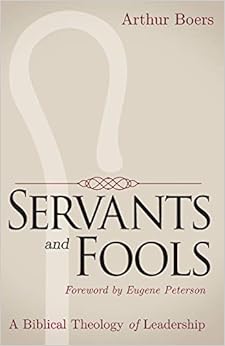
I first came across the book a few years ago (it was published in 2015) on the recommendation of Ian Coffey and more recently I asked some of my students to write an essay based on the following quotation from one of its early chapters: it may give you a little bit of a pointer as to how Arthur views the Bible’s teaching on leadership. In fact, he believes that much of the Church’s interest in leadership is ‘faddish’ and argues that the Scriptures are suspicious of human leaders.
While history focuses on victors and the powerful, at the top and in charge, the Bible pays an astonishing amount of attention to regular, normal folks who are nevertheless the unexpected means of God’s dramatic work.
Arthur Boers, Servants and Fools.
*I had planned to have John Dickinson on the podcast this week, but we’ve had to push that episode back: you should be able to listen to John’s story in a couple of weeks.
Ruth Valerio is Global Advocacy and Influencing Director for Tearfund. She has worked previously for the Evangelical Alliance and as Churches and Theology Director for Arocha. She is author of several books, including L is for Lifestyle, and Saying Yes to Life, originally published as the Archbishop of Canterbury’s Lent book for 2020.
As you will hear in the podcast, Ruth is passionate about issues of justice and poverty: this passion is a thread that runs through her various professional roles. Here is a link to Eco Church, mentioned by Ruth in our conversation.
The guest on the next episode of the podcast, in two weeks, will be John Dickinson, recently retired minister of Carnmoney Church.
Rowland and Alli Clear live in Devon, where they lead ‘On Track Ministries’, a ministry that seeks to support people in Christian ministry. They are also associates with Living Leadership. Previously they have been involved in churches in Canterbury and Rayleigh, Essex. They describe themselves as ‘spiritual cartographers’.
In our conversation they talk about their journey in faith and ministry, including (for Rowland), the experience of a dark night of the soul.
The guest on this first episode of 2021 is Dr Steve Brady. Steve is Senior Pastor of First Baptist Church in Grand Cayman. Previously he has served churches in the UK, including in London and Bournemouth. He is also President of Moorlands College, where he was Principal for almost twenty years. He has written or contributed to over twenty books, including study guides to Galatians and Colossians. He is a well known speaker at the Keswick Convention and served as a trustee of the convention for many years.
He is also a true blue supporter of Everton, so be warned, there will be some chat about Everton, though even if you are not a fan, it will be worth a listen!
If you would like to subscribe to the podcast, you can do so via Apple Podcasts or Spotify.
Future guests on the podcast include Rowland and Alli Clear, Ruth Valerio, and John Dickinson.
This week’s guest on the podcast is James Lawrence. James works with the Church Pastoral Aid Society (CPAS), where he oversees work on developing leaders, including through the Arrow Leadership Programme, an 18-month programme for 25-40 year olds that aims to help participants ‘be led more by Jesus, lead more like Jesus, and lead more to Jesus.’ He is the author of the book, Growing Leaders.
Among other things our conversation reviews James’ earliest steps in leadership, discusses the significance of call and vocation as well as challenges facing the Church, and – of course – what James would say to his 20-year old self.
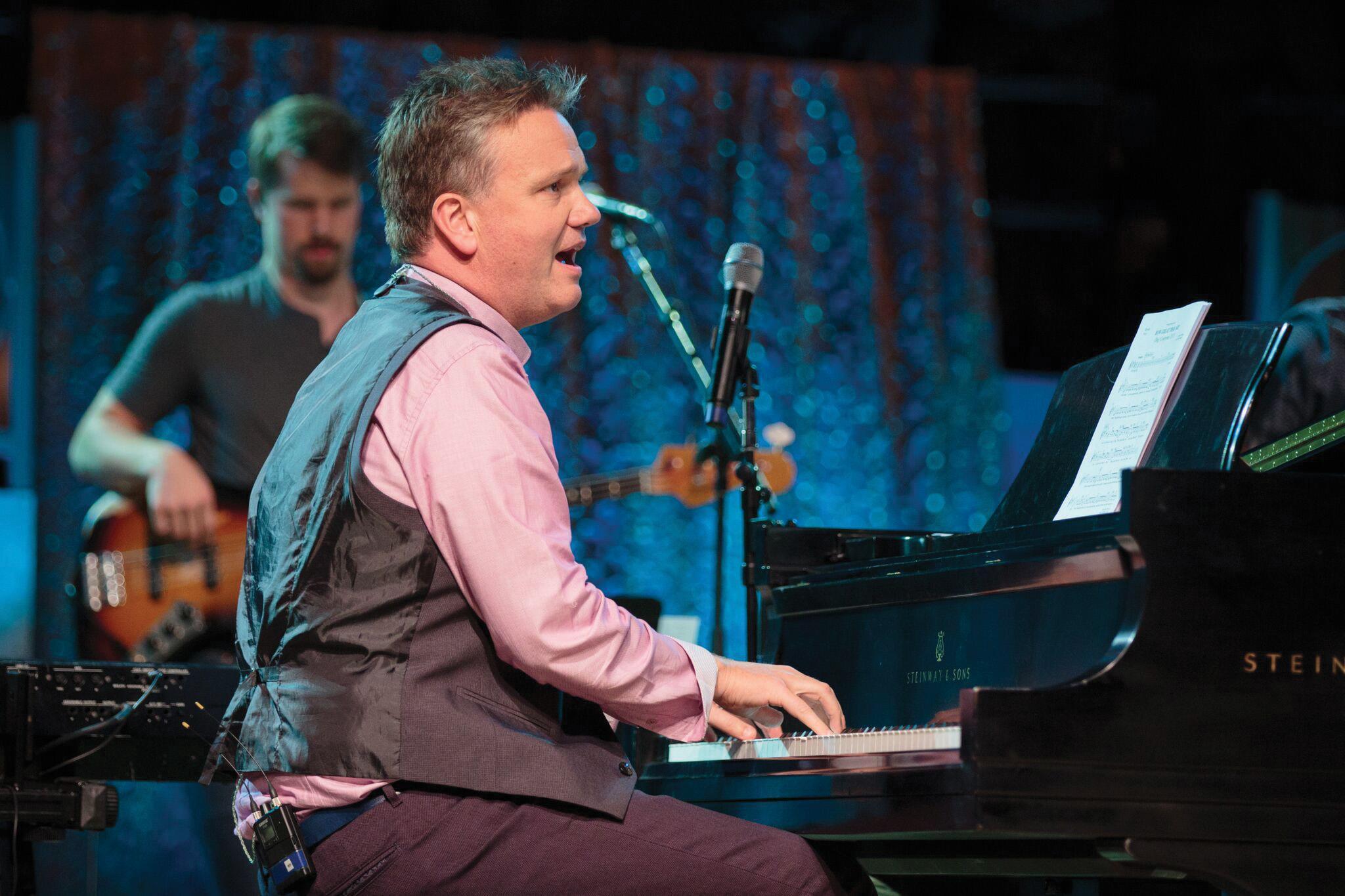
This week’s guest on the podcast is Keith Getty. Keith, along with his wife Kristyn, is one of the leaders of the modern hymn movement. He’s probably best known as co-author of the well known hymn, In Christ Alone, which he wrote 20 years ago with Stuart Townend.
In the podcast, Keith talks about the convictions that lie behind his commitment to write hymns that help build deep believers across the world. He talks about some of what has shaped him, and shares what he would say to his 20 year-old self.
My guest this week is author and conference speaker, Paul Tripp. Paul has written many books, and his most recent book is Lead: 12 Gospel Principles for Leadership in the Church – that’s what we focus on in our conversation, though Paul also talks about some of his own leadership journey.
The book outlines 12 principles that Paul would like to see worked out in every leadership community. In our conversation he gives an overview of the 12 before focussing on 3 of them for further discussion.
Paul writes with the conviction that the gospel his not simply a set of historical facts, but that ‘it is also a collection of present redemptive realities.’ Here is what he says about the book, and why he wrote it:
I wrote this book because I love the church of Jesus Christ and have a deep affection for all who have surrendered their lives and gifts to ministry leadership … And because my heart is in the church, I am concerned about the spiritual health of the community of leaders that pastor its people and direct its ministries. This book is not about the strategic work of the ministry leadership community but about protecting and preserving its spiritual depth so it may do its work with long-term fruitfulness. Really, this book is about the Lord of the church, about his love for the ambassadors he has called to represent him, and how he meets their every need with glorious and faithful grace.
You can read more about Paul and his ministry at his website, where you can also download the Paul Tripp app, with its access to many free resources.
You can order his new book here (10 Of Those will give you a free ebook when you buy a hardback copy of the book).
Ian Paul is a theologian, writer, blogger and self-confessed chocoholic and is this week’s guest on the podcast. Ian has recently published a commentary on the Book of Revelation.
In our conversation he talks about coming to faith as a young person, sensing a call to ordained ministry, serving in a growing church, and later becoming involved in theological training and writing. He talks about some of the disappointments and challenges he has faced and along the way he talks about some of his observations on leadership.
This week’s guest is Terry Virgo. Terry is the founder of Newfrontiers, a family of churches that brings together some 2000 churches in some 75 nations. Terry is a Bible teacher and conference speaker, and has written several books, including his autobiography, No Well-Worn Paths.
In our conversation Terry talks about his early experience as a Christian, and about the impact of his experience of the Holy Spirit. He talks about the beginnings of local church leadership and how this eventually blossomed into the formation of a network of growing churches. We also talk about Moses – the subject of Terry’s most recent book, written this year and scheduled to be published in 2021, and he shares some of what he would want his 20 year old self to know.
Terry has a website (terryvirgo.org) where you can find out more about Terry’s books and listen to a collection of his teaching.
Next week’s guest on the podcast will be Ian Paul (aka ‘Psephizo’), a theologian, author and speaker based in Nottingham.
The guest on this week’s podcast episode is Marcus Honeysett, executive director of Living Leadership, an organisation that aims to encourage the development of disciple-making leaders who have learned to live in the grace of God. Living Leadership’s website will give you more information about the organisation, including links to a podcast and other resources. Marcus is the author of several books, including Fruitful Leaders.
One of Living Leadership’s recent initiatives has been the development of an online network with fortnightly gatherings via Zoom for encouragement and refreshment.
In our conversation Marcus talks about some of people who invested in him in his early years as an emerging leader, about ambition and saying no to major platforms, about the importance of a biblically-informed understanding of Christian Leadership, and about grace.
Among the advice Marcus would share with his twenty-year old self is the need to grow in deep-rooted spiritual habits, to have a biblically-shaped definition of leadership, and to avoid the temptation to establish ‘success metrics’.
Prior to joining Moorlands, David was Principal of St John’s College in Nottingham, which followed a leadership role in St Mellitus College. He has also worked as a local church leader and was head of Theology at the Evangelical Alliance for nine years.
As I often do at the end of these conversations, I asked David what he would say to his twenty year old self. Here are his three points:
Worry less, pray more.
Get really good support.
Spend more time with family.
Here is the podcast (and remember you can subscribe on several podcast outlets, including Spotify.
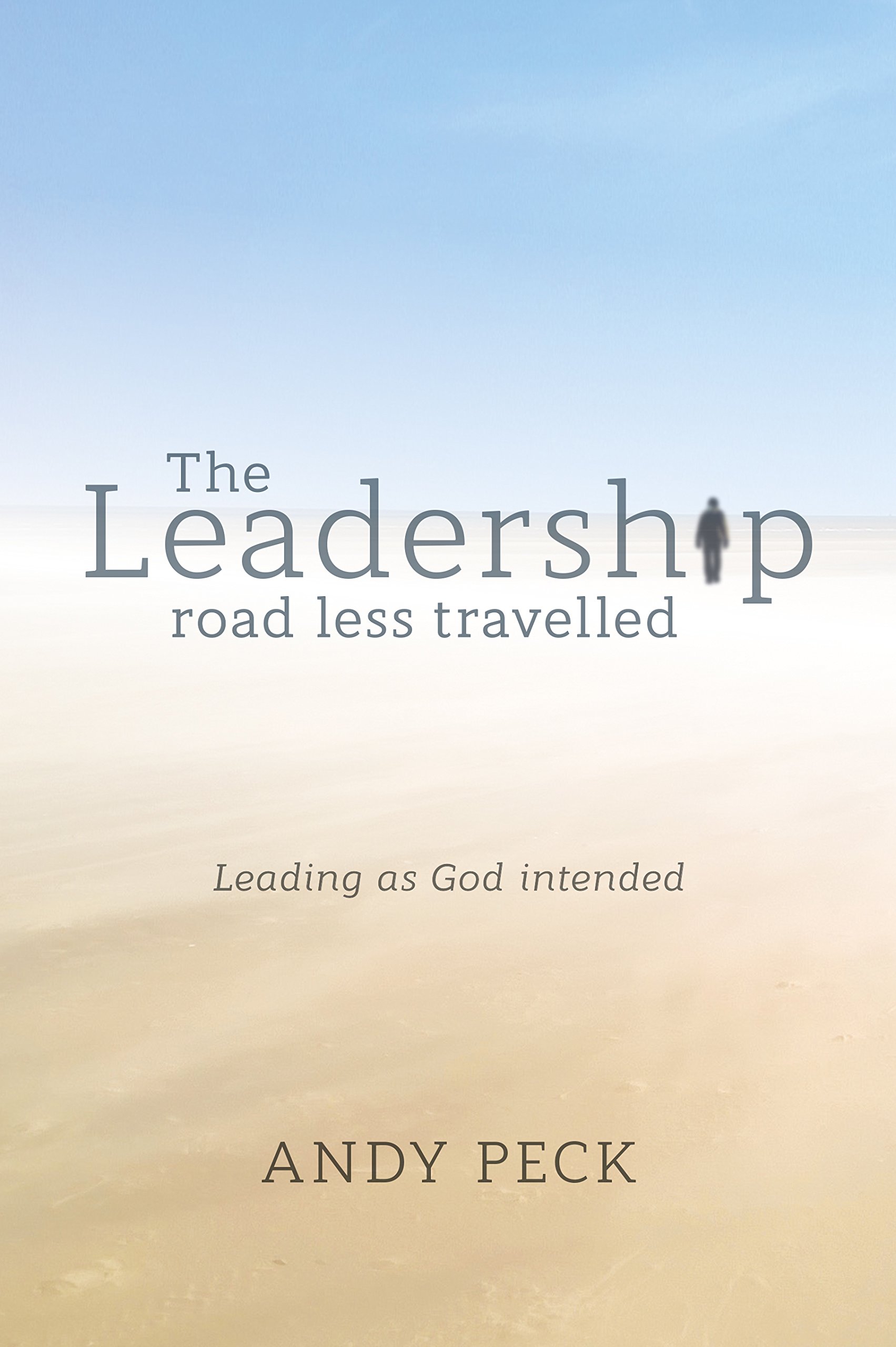
Andy Peck is the host of Premier Christian Radio’s weekly show, The Leadership File: since he took on the programme, he has conducted some 700 interviews with Christian leaders from various walks of life. He is also the author of a number of books, including ‘The Leadership Road less Travelled’. I was recently a guest on his show so this week’s podcast really sets us on the opposite side of the microphone.
Interestingly for someone who has written a book on leadership, and has interviewed hundreds of leaders, Andy confesses that leadership leaves him cold! You will find out what he means during the podcast. You can get a copy of the book here.
Andy grew up on the Isle of Wight, and he talks about his Christian upbringing in church there. He talks about how his leadership journey has not always followed the expected course, about some of the people who have influenced him, and some of the key things he has learned about leadership along the way.
*Note that Dallas Willard went to be with the Lord in 2013, and not in 2003 or 2006.
The guest on the next episode of the podcast is Dr David Hilborn, Principal of Moorlands College.
My guest this week is the painter and sculptor, Ross Wilson. While artists may not fit everyone’s accepted definitions of leadership, they function as influencers and shapers of thought. Howard Gardner defined a leader as ‘someone who significantly affects the thoughts, feelings and/or behaviors of a significant number of individuals.‘
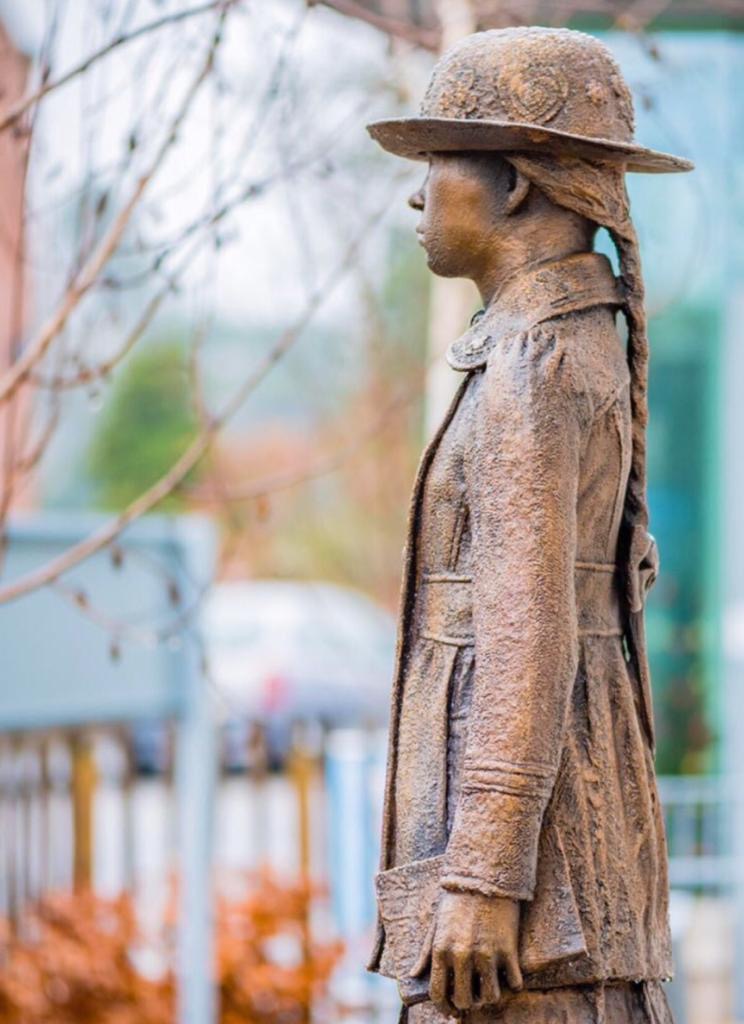
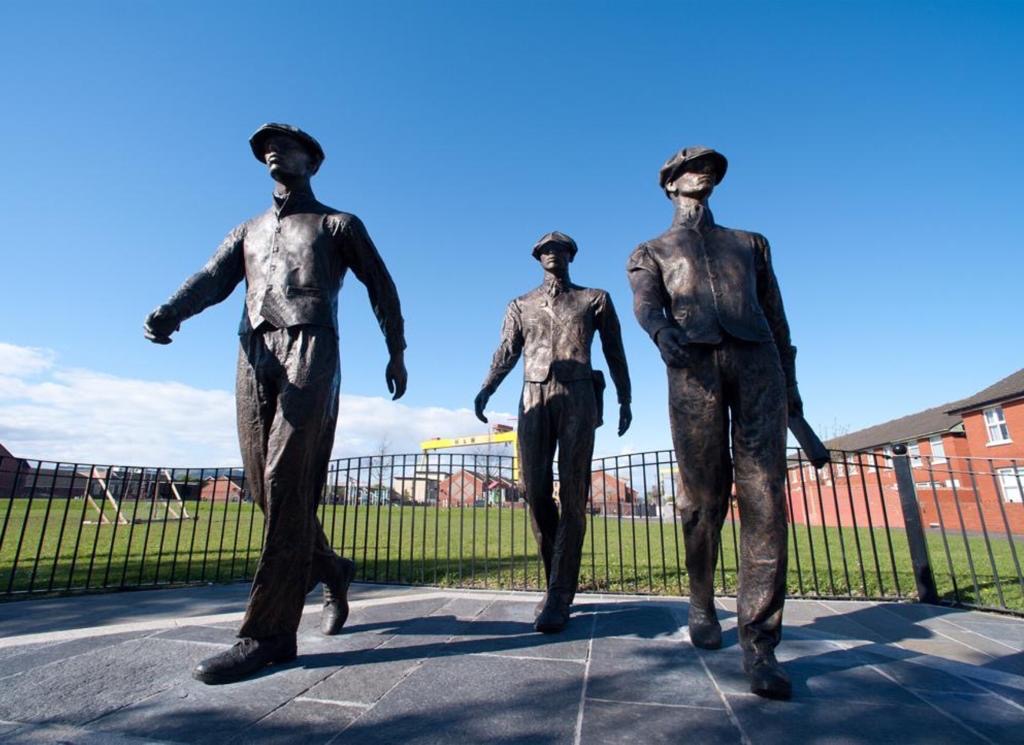
Ross Wilson’s work includes portraits of Seamus Heaney and Arthur Miller as well as a series of public sculptures around Belfast, including his work sculpture of C.S. Lewis and the Narnia wardrobe.
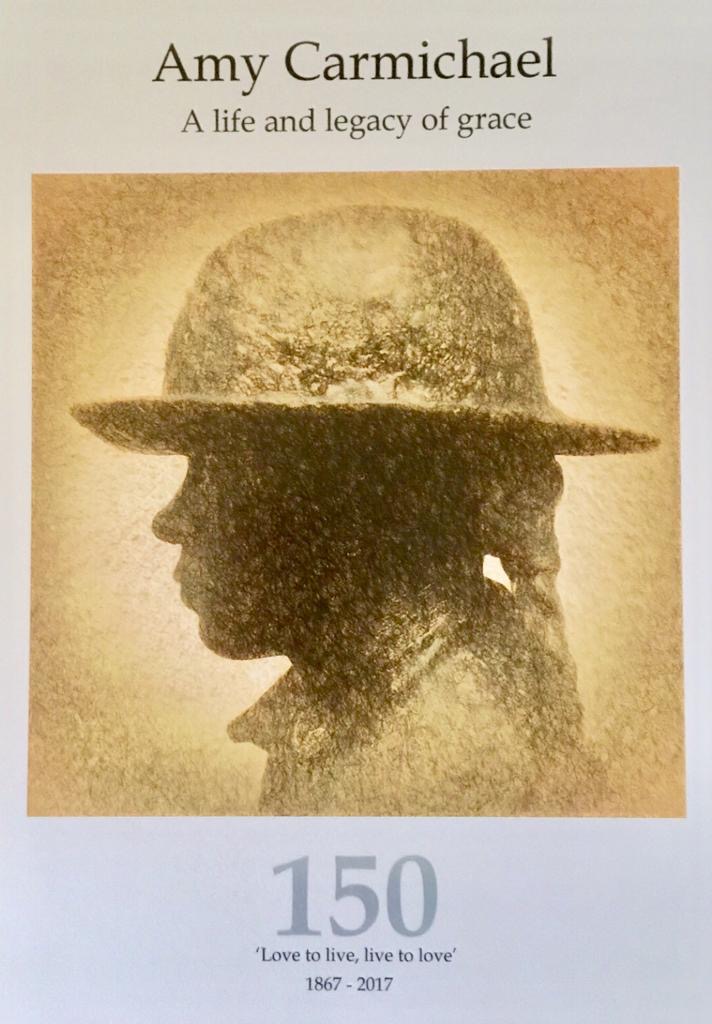
In our conversation Ross talks about coming to faith and we discuss aspects of his work, including the story behind his Lewis sculpture and his more recent portrayal of the Irish missionary, Amy Carmichael which you can visit in Bangor.
Ian Coffey is Vice Principal for strategy and leader of the leadership development programme at Moorlands College in Dorset. Ian has a wide range of leadership experience, including time spent as an evangelist and as a pastor, both in England and in France – just across the border from Geneva (he and I overlapped in the area for a few years). He has also served in the leadership of the Evangelical Alliance and Spring Harvest.
In our podcast conversation Ian talks about the various stages of his leadership journey, and reflects on issues such as team leadership and the value of learning by doing. He talks about some of the challenging seasons of ministry and highlights some of the people who have had most influence on him.
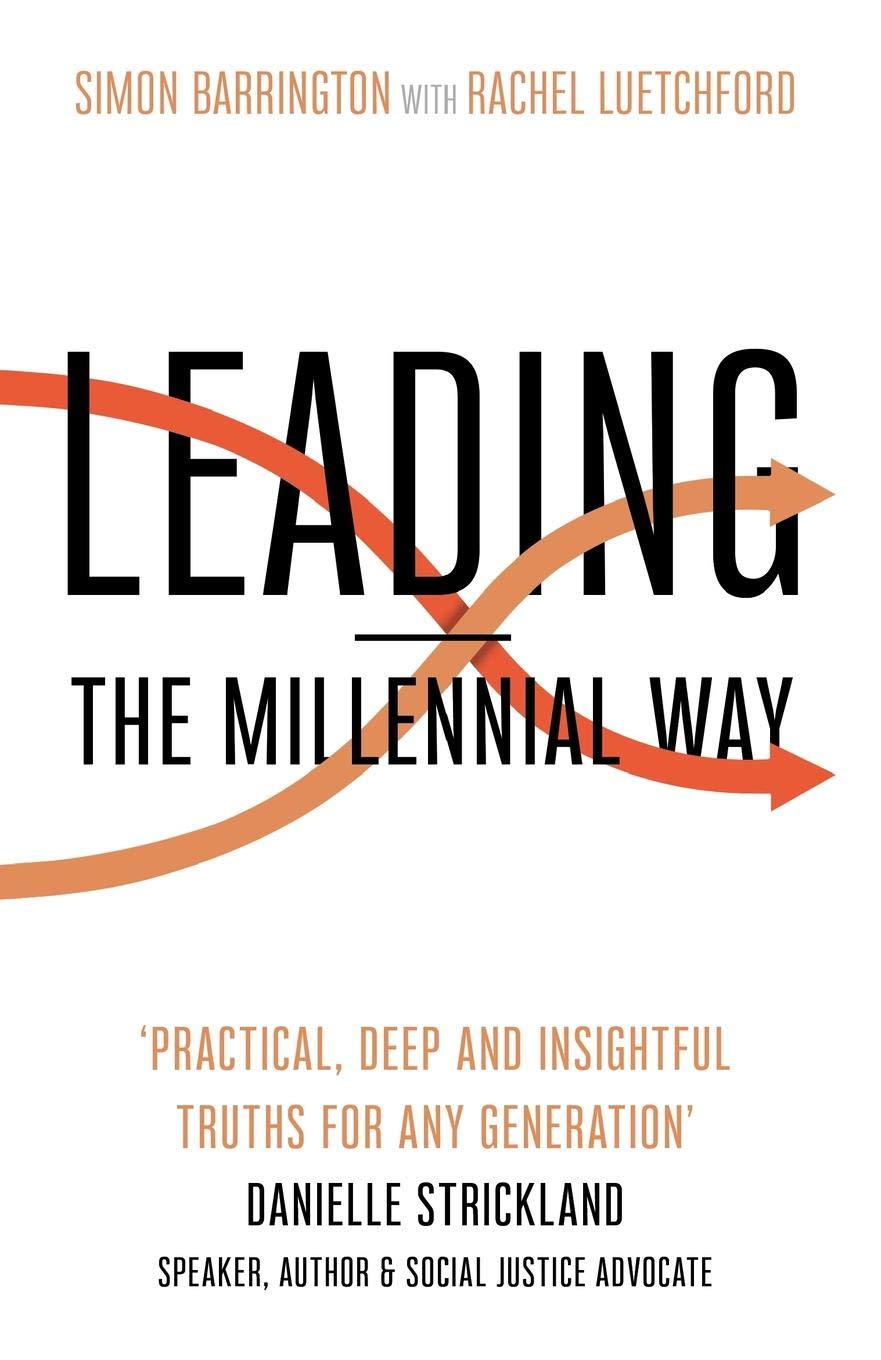
My guest on this week’s podcast is Simon Barrington. Simon is the founder of Forge Leadership Consultancy, having previously served in leadership roles with BT and Samaritan’s Purse. He is the author (with Rachel Luetchford) of Leading the Millennial Way. The book reports on a significant research project that surveyed some 500 millennial (born between 1984 and 2000) leaders and aims to help millennial leaders strengthen their own leadership and also to benefit older leaders whose work involves leading millennials.
In our conversation Simon talks first about his own leadership journey and reflects on a lightbulb moment where he began to realise that leadership has to deal with character and not simply capacity. We talk about the genesis of the millennial research and chat about some aspects of millennials and some of the things they (and any leader, really) need to cultivate as they grow in their leadership.
Simon talks about this book that was very significant in his own development and in understanding what it means to lead well. You can pick up a copy here.
Simon also shares a couple of key things he would want to share with his 20 year old self:
Develop your intimacy with Jesus – learn to walk with God every day;
Make the investment to deal with ways you have been wounded.
To read more about the research behind Simon’s book, visit the website.
My guest today on the podcast is Dave Burke. Dave lives in Sunderland where he provides mental health first aid training (see his website for more on this). Previously Dave has helped lead several churches in various parts of England, including Leicester and his native Sunderland.
In our conversation Dave traces the various stages of his leadership journey, from his conversion as a student in Swansea through his path into Christian ministry. We talk about team ministry (‘the best ministry flows from friendship’) and Dave talks about people who have influenced him along the way.
He also talks about what he would say to his 20 year old self:
Be wary of an independent streak: the Christian life is a tension between taking responsibility but also relying on God;
Invest in deep friendships (and don’t let them go);
Invest in small habits that appear to make little difference day to day, but make a significant difference over time;
Don’t be quick to dismiss what you judge not to be properly Christian;
Remember that theologians are great teachers but poor listeners.
Dave has agreed to write a guest blog post on this theme over the next couple of weeks.
This week I am speaking with David Bruce, the current Moderator of the Presbyterian Church in Ireland (PCI). David is also secretary to the Council for Mission in Ireland with the PCI.
We talk a little about how the Presbyterian Church is emerging from lockdown and what some of the lessons might be for the Church and we explore various stages of David’s leadership journey, including his conversion as a teenager, through his time at university and theological study, and on to various roles – as a local church minister, working for Scripture Union, both in Northern Ireland and internationally – leading up to his current role.
Along the way David talks about some of the people who have most profoundly influenced him, and shares wisdom around various aspects of leadership, including how teams need to be able to incorporate a degree of tension between the roles of various team members. David shares three ways he would advise his 18 year old self, and there is a story about writing on the ceiling!
For reflection:
‘Deconstruction is as important as construction.’
What’s your response to this observation as the Church emerges from lockdown?
‘For reasons both ancient and new, the church today has an insatiable appetite for the study of church leadership. A vast avalanche of books, seminars, videos, and web sites has swept over the landscape in response to that appetite. Some of it is good and helpful, but overall much of it is very weak or even misleading in ways that should trouble the church leaders consuming it.’
Lew Parks
I read this statement some time back and I am pleased to say that the contribution of today’s guest to this vast array of resources is excellent.
Ian Parkinson works with CPAS and helps train leaders in a number of Anglican training institutions. He has previously been a guest on the podcast, and you can listen to his story here and here.
Earlier this year he published a new book, Understanding Christian Leadership and he joins me on this episode of the podcast for a conversation around the book. I have reviewed the book in a previous post.
Our conversation covers a number of themes related to the book, including Ian’s definition of Christian leadership, his understanding of leaders as ‘catalysts’, and the balance that leaders need to strike between tradition and the future.
Here is how he defines Christian leadership:
A relational process of social influence through which people are inspired, enabled and mobilized to act in positive, new ways, towards the achievement of God’s purposes.
He also talks about what it means to lead as a Christian outside of the sphere of the Church.
If we want to be effective leaders we need to be effective disciples.
Here is a link to where you can buy your copy of the book, and here is the podcast.



















 The Crucible of Leadership